GES AND SPECIAL OLYMPICS GHANA RENEW PARTNERSHIP TO STRENGTHEN INCLUSIVE EDUCATION
The renewed partnership between the Ghana Education Service and Special Olympics Ghana seeks to strengthen inclusive education in Ghana through teacher development, supportive classrooms, Unified Sports and equal learning opportunities for persons with intellectual disabilities.

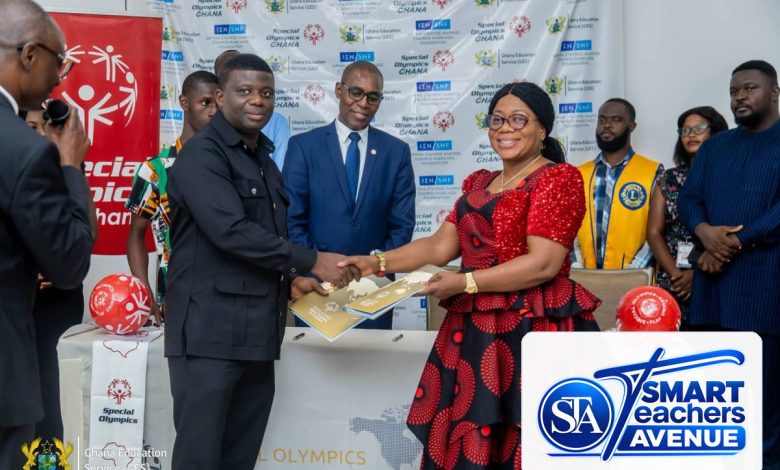
Inclusive education in Ghana is receiving renewed attention following a new agreement between the Ghana Education Service (GES) and Special Olympics Ghana, aimed at expanding learning opportunities for persons with intellectual disabilities.
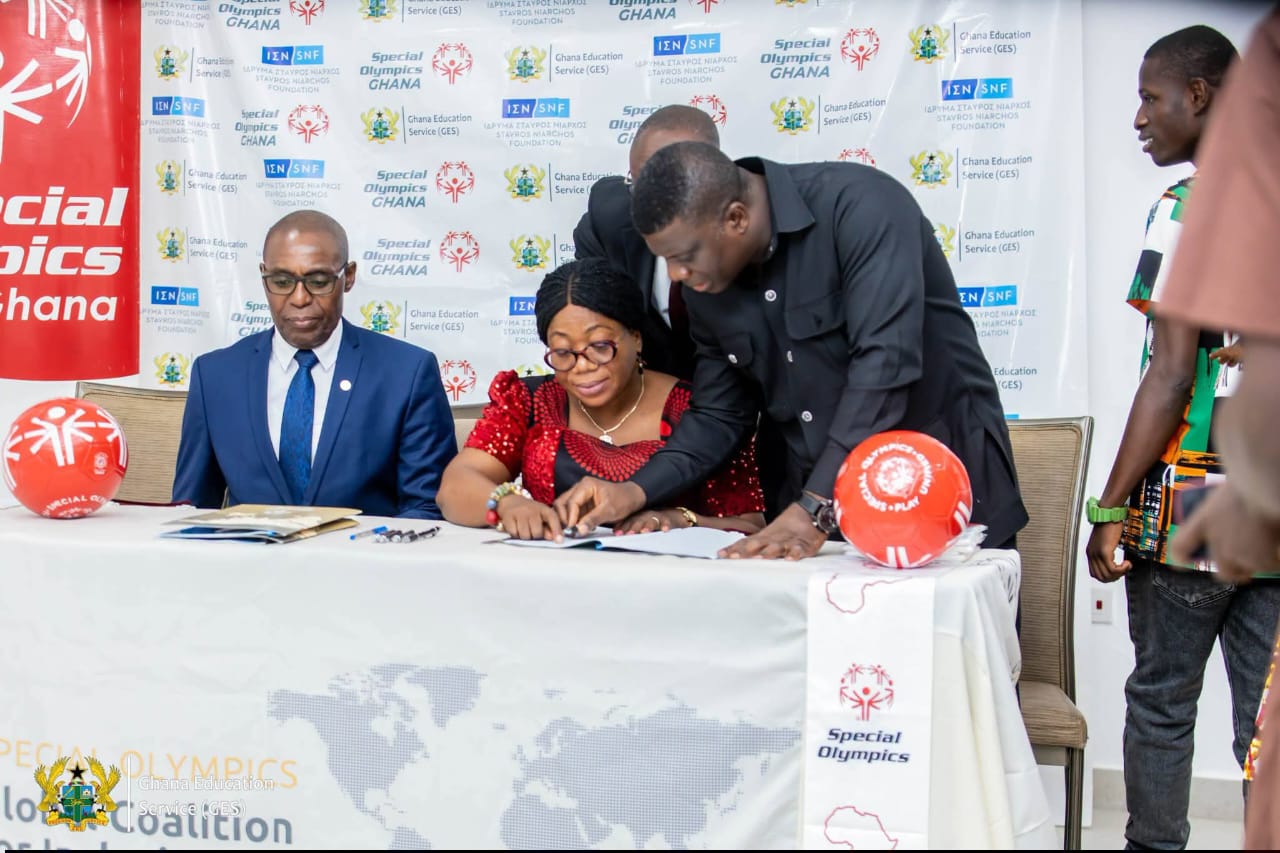
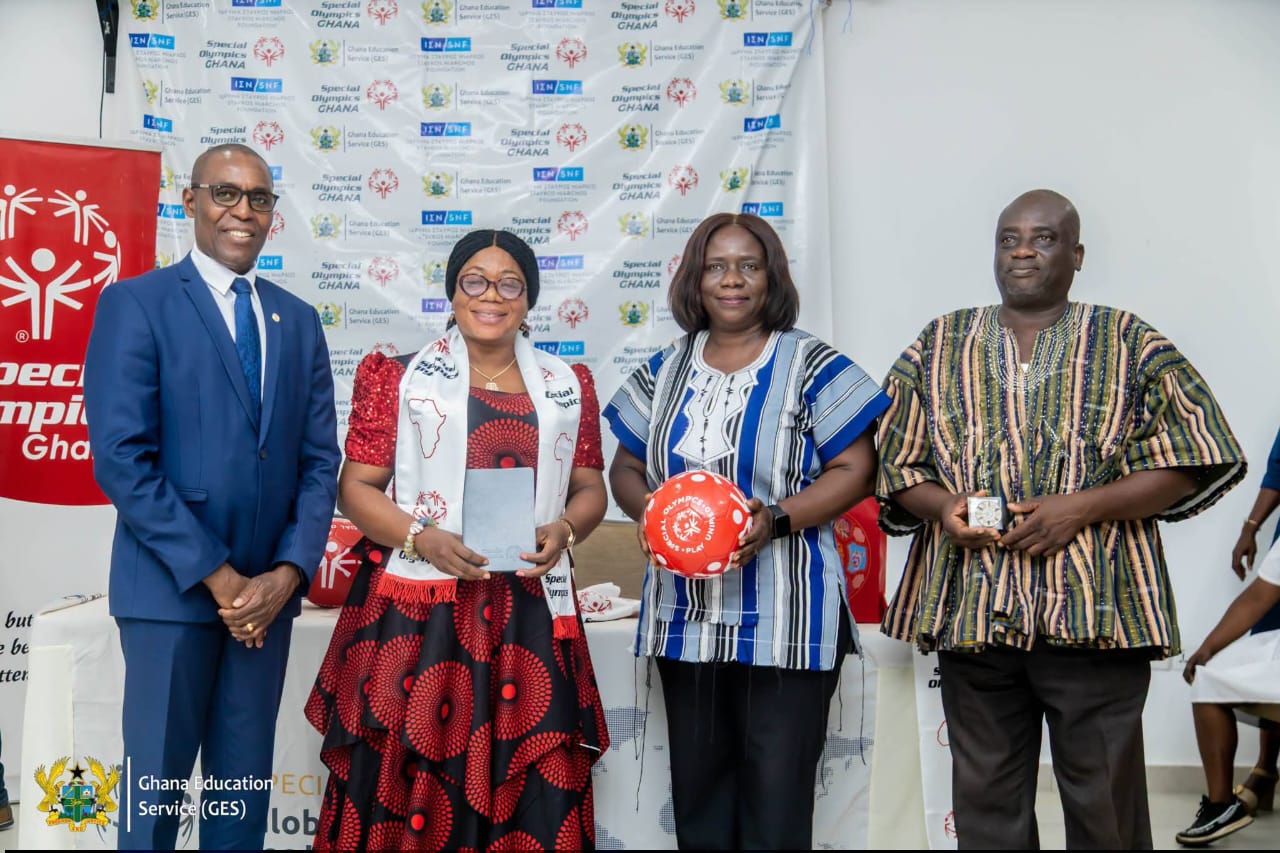
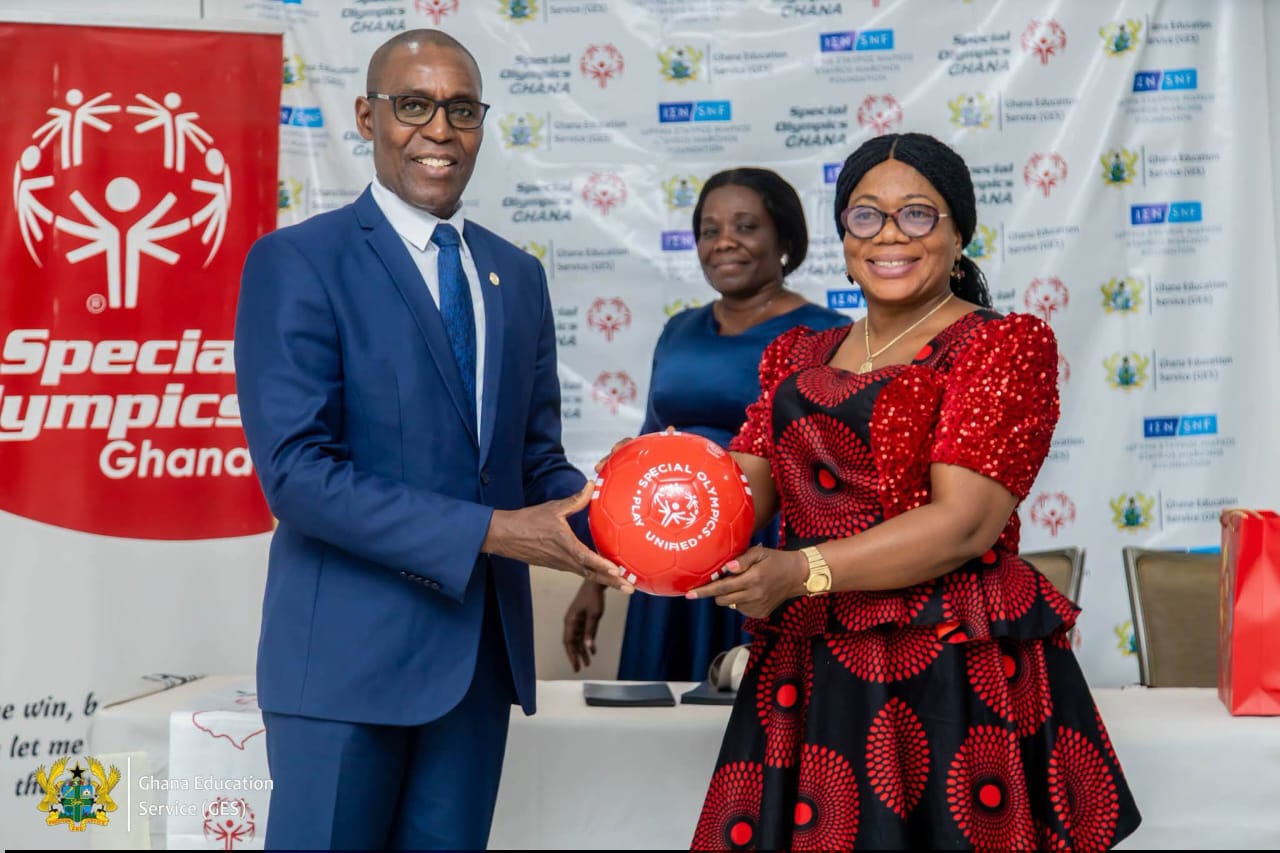
The Ghana Education Service (GES) and Special Olympics Ghana have renewed their commitment to inclusive education through the signing of a second Memorandum of Understanding (MoU) under the Global Coalition for Inclusion initiative.
The agreement was signed at the Mensvic Grand Hotel in East Legon, Accra, on Friday, November 13, 2026, under the theme: “Together for Inclusion: From the Field to the Classroom.”
The partnership seeks to strengthen inclusive educational opportunities across the country by improving collaboration between education, sports and social development stakeholders.
It also places particular emphasis on creating supportive learning environments where learners with intellectual disabilities can participate, develop their abilities and enjoy equal educational opportunities.
The development represents another important step towards strengthening inclusive education in Ghana and ensuring that no learner is excluded because of their individual abilities or circumstances.
INCLUSIVE EDUCATION IN GHANA: GES REAFFIRMS ITS COMMITMENT
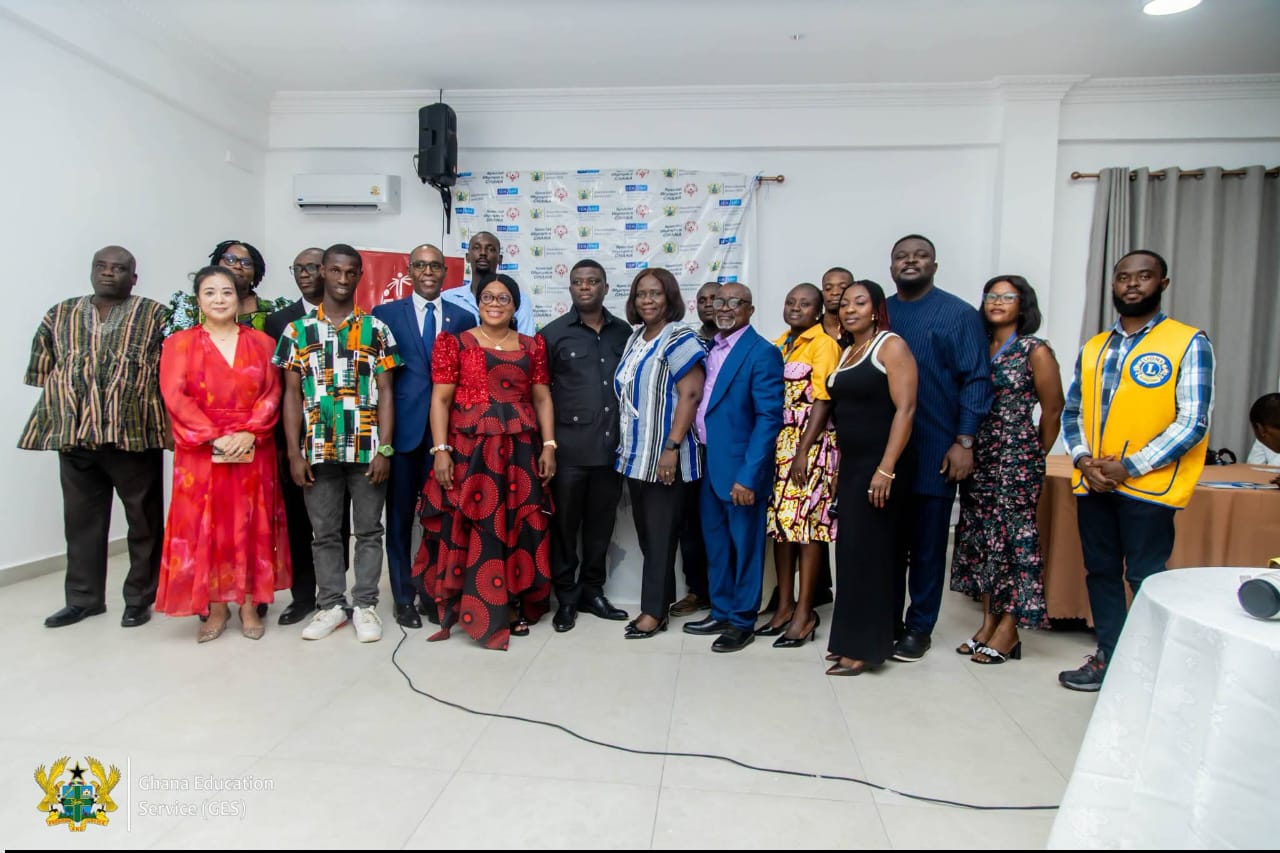
Delivering the keynote address on behalf of the Director-General of the Ghana Education Service, Prof. Ernest Kofi Davis, the Deputy Director-General in charge of Management Services, Prof. Smile Gavua Dzisi, reaffirmed the Service’s commitment to inclusive education.
She emphasised that every learner, irrespective of ability or background, deserves access to quality, equitable and supportive educational opportunities.
Her remarks reinforced the importance of building an education system that recognises individual differences while ensuring that all children have meaningful opportunities to learn and participate.
The GES position also highlights the need to move beyond policies and translate inclusive education commitments into practical actions within schools and classrooms.
For inclusive education in Ghana to achieve its intended impact, learners must not only be enrolled in schools but must also receive the support, attention and opportunities required to participate meaningfully in the learning process.
END-OF-TERM EXAMINATIONS FROM CRECHE TO SHS
Get quality End-of-Term Examination Questions with Marking Schemes for learners from Creche to SHS, carefully prepared to support effective assessment.
WHY THE GES AND SPECIAL OLYMPICS GHANA PARTNERSHIP MATTERS
The renewed agreement builds on an existing relationship between the two institutions.
GES and Special Olympics Ghana first formalised their collaboration in November 2023 through an agreement linked to the Global Coalition for Inclusion.
That initial initiative sought to expand inclusive sports and educational programmes to more than 100 schools across Ghana, engage approximately 15,000 young participants and provide specialised training for hundreds of teachers and physical educators.
The November 2026 agreement therefore represents a renewed commitment to expanding the work already undertaken by the two institutions.
According to the Ghana News Agency, the partnership is expected to strengthen teacher capacity, improve inclusive learning environments and promote sports as a tool for social inclusion.
This makes the agreement particularly relevant to the wider discussion about inclusive education in Ghana.
It recognises that children with intellectual disabilities have abilities, talents and aspirations that deserve to be supported within the education system.
INCLUSIVE EDUCATION IN GHANA: FIVE IMPORTANT AREAS OF FOCUS
The renewed partnership highlights several areas that could contribute to improving educational experiences for learners with intellectual disabilities.
1. INCLUSIVE EDUCATION IN GHANA THROUGH TEACHER CAPACITY BUILDING
Teachers are central to the successful implementation of inclusive education.
A school may have an inclusive education policy, but its effectiveness depends largely on whether teachers understand how to support learners with different educational needs.
Strengthening teacher capacity will help educators develop appropriate teaching strategies, recognise individual learning differences and create classroom environments where every learner can participate.
Teachers also need opportunities to improve their understanding of intellectual disabilities and the practical approaches that support learners in their everyday academic and social activities.
For inclusive education in Ghana to become more effective, professional development must therefore remain a priority.
DETAILED LESSON PLANS & SCHEMES OF WORK
Get detailed lesson plans and Schemes of Work for Nursery, KG, Primary, JHS and SHS to help you prepare, plan and teach effectively.
2. CREATING SAFE AND SUPPORTIVE LEARNING ENVIRONMENTS
Every learner deserves to feel accepted, respected and protected at school.
The partnership places emphasis on creating safe and supportive learning environments for learners with intellectual disabilities.
This involves addressing discrimination, negative attitudes, exclusion and other barriers that may prevent learners from participating fully in school activities.
Schools must become environments where differences are understood and respected rather than treated as reasons for rejection.
A supportive learning environment also requires cooperation among teachers, school administrators, parents and other relevant stakeholders.
3. USING SPORTS TO PROMOTE SOCIAL INCLUSION
One important aspect of the collaboration is the use of sports to advance social inclusion.
Through Unified Sports programmes, learners with and without intellectual disabilities can participate in sporting activities together.
These activities create opportunities for interaction, teamwork, friendship and mutual understanding.
Sports can also help learners develop confidence, communication skills and a sense of belonging.
The broader objective is to ensure that inclusion extends beyond the playing field into classrooms, school communities and everyday social interactions.
4. STRENGTHENING PARENTAL INVOLVEMENT
Parents and caregivers play an important role in supporting children with intellectual disabilities.
Their involvement can help schools understand learners’ individual needs, identify appropriate support systems and establish stronger relationships between home and school.
The renewed partnership also identifies parental involvement as an important area of focus.
This reinforces the need for families to be recognised as active partners in inclusive education rather than passive observers of the educational process.
5. IMPLEMENTING INCLUSIVE EDUCATION BEYOND POLICY
Ghana’s commitment to inclusive education must be reflected in everyday school practices.
Policies and agreements are important, but their real value lies in how they improve the experiences of learners.
Schools must therefore work towards ensuring that learners with intellectual disabilities have meaningful opportunities to participate in lessons, sports, extracurricular activities and other aspects of school life.
This is an important consideration for inclusive education in Ghana as stakeholders continue working towards a more equitable education system.
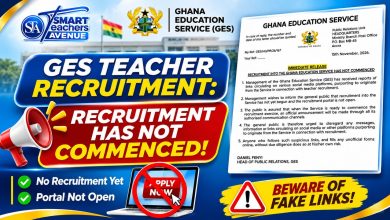
READ RELATED RESOURCES HERE: GES TEACHER RECRUITMENT: 5 IMPORTANT WARNINGS AS GES DECLARES PORTAL NOT OPEN
INCLUSIVE EDUCATION IN GHANA AND THE GLOBAL COALITION FOR INCLUSION
The partnership forms part of the Global Coalition for Inclusion, an international initiative led by Special Olympics to advance educational and social inclusion for persons with intellectual disabilities.
The coalition brings together governments, international organisations, civil society groups and private-sector partners to promote more inclusive schools and communities.
Its approach includes Unified Schools and Unified Sports, which use shared learning and sporting experiences to encourage interaction, understanding and acceptance.
Ghana became an early participating country in the initiative when the original agreement was signed in November 2023.
According to Special Olympics International, that initial commitment was designed to reach more than 100 schools, engage 15,000 young people and provide specialised inclusive education training for hundreds of teachers and physical educators.
The renewed agreement provides an opportunity to build on that foundation and strengthen the contribution of inclusive education in Ghana to the broader international inclusion agenda.
PARTNERS REAFFIRM SUPPORT FOR INCLUSIVE EDUCATION IN GHANA
The signing ceremony brought together representatives of several organisations committed to advancing inclusion.
Goodwill messages were delivered by representatives of UNICEF, UNESCO, Lions Club International, FET Mining, the GUBA Foundation, Adwensa Publications and other partners.
Their participation highlighted the importance of collective action in addressing the educational and social barriers faced by persons with intellectual disabilities.
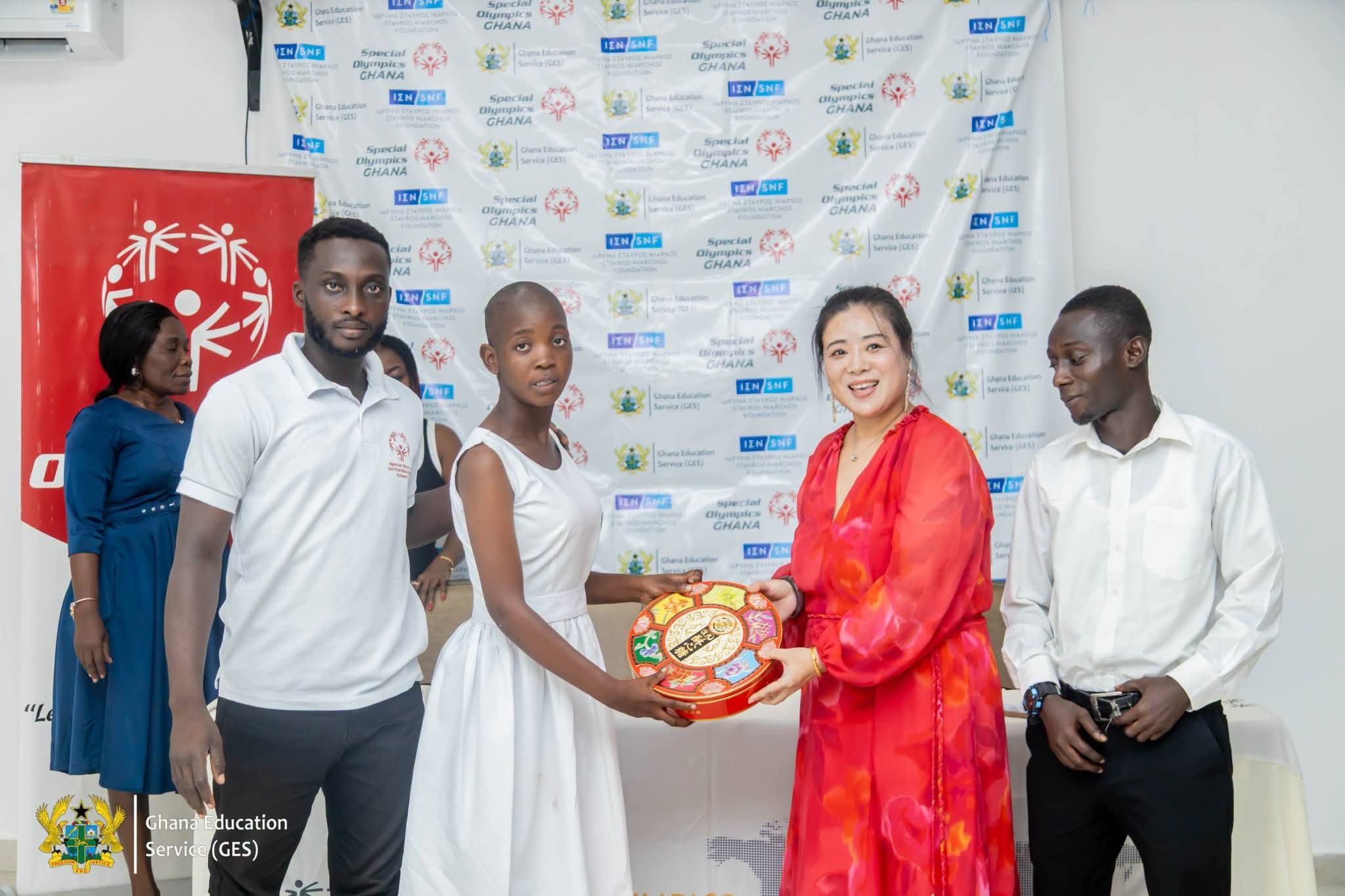
The event also featured cultural performances by athletes, personal testimonies and presentations on the Global Coalition for Inclusion.
These activities provided an opportunity to recognise the experiences, abilities and contributions of persons with intellectual disabilities while encouraging greater public support for inclusive programmes.
The participation of different organisations also demonstrates that achieving inclusive education in Ghana requires cooperation beyond the traditional boundaries of the education sector.
READ RELATED RESOURCES HERE: 2024 TEACHER RECRUITS: 7 CRUCIAL UPDATES ON SALARY ARREARS AND STAFF IDS FROM GES
WHAT THE RENEWED AGREEMENT MEANS FOR GHANAIAN SCHOOLS
For schools across the country, the renewed partnership presents an opportunity to strengthen inclusive practices and improve the participation of learners with intellectual disabilities.
However, the success of the agreement will depend on how effectively its commitments are translated into practical school-level interventions.
Teacher training, accessible learning environments, parental engagement and inclusive sporting activities will all be important considerations.
School leaders and teachers also have a responsibility to promote cultures of acceptance and ensure that learners are not excluded from opportunities because of their disabilities.
The implementation of inclusive education in Ghana must therefore be treated as a shared responsibility involving education authorities, teachers, families, communities and development partners.
Ultimately, the goal should be to create schools where every learner is recognised, supported and given the opportunity to reach their potential.
INCLUSIVE EDUCATION IN GHANA: A STEP TOWARDS AN EDUCATION SYSTEM FOR ALL
The renewed agreement between the Ghana Education Service and Special Olympics Ghana sends an important message about the future of education in the country.
It reinforces the principle that educational opportunities should not be determined by a learner’s abilities or limitations.
While the signing of the MoU represents an important milestone, sustained implementation, adequate support and continuous collaboration will be necessary to achieve lasting results.
As Ghana continues to strengthen its education system, inclusive education must remain a practical commitment reflected in classrooms, school policies and community participation.
The ultimate measure of success will not simply be the number of agreements signed or programmes announced, but the difference these initiatives make in the lives of learners.
READ RELATED RESOURCES HERE: TEACHER RETENTION STRATEGIES: 7 POWERFUL WAYS SCHOOL OWNERS CAN BUILD STRONGER SCHOOLS
Every child deserves an opportunity to learn, participate and thrive. No learner should be left behind.
Share your experience and ideas in the comments. Your strategy could help another teacher take the first step.
Follow Smart Teachers Avenue on Facebook, TikTok and YouTube for practical teacher development, professional growth and financial education.
YOU CAN CONTACT US ON ↓
📞 Phone: +233 503910155 / +233233910155
📧 Email: info.teachersavenue@gmail.com
💬 WhatsApp: Click Here To WhatsApp Us
Follow Smart Teachers Avenue and Stay connected with us for daily educational resources, financial education, teaching tips and school leadership insights.
📘 Facebook – FOLLOW HERE
🎵 TikTok – FOLLOW HERE
▶️ YouTube – SUBSCRIBE HERE
✈️ Telegram Channel – JOIN HERE
👥 Telegram Community Chat: – JOIN HERE
👥 Facebook Community Chat: – JOIN HERE
WhatsApp Channel – FOLLOW HERE for daily updates, teaching resources and exclusive educational content.
Join our growing community of teachers across Ghana and beyond who trust Smart Teachers Avenue as their preferred platform for teaching resources, professional development, financial education and school leadership.