THE HIDDEN REASONS WHY MANY BUILDINGS REMAIN UNCOMPLETED
Why do uncompleted buildings remain scattered across many developing areas? Discover the costly planning and budgeting mistakes prospective builders should consider before construction begins.

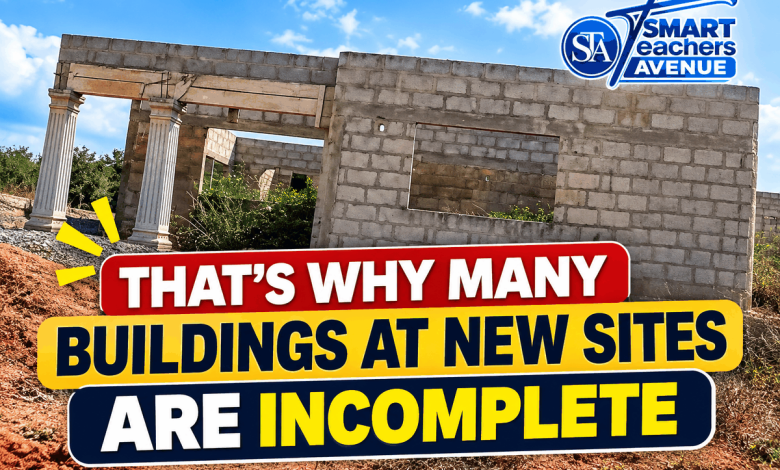
Uncompleted buildings are a familiar sight in many developing communities. You may see a house with its walls standing, another with roofing yet to be completed, and a third that has remained at the same stage for years. For someone planning to build a home, these unfinished structures raise an important question: what causes a building project to stall before the owner can move in?
In a recent video, Atta Smart of Smart Teachers Avenue raises this concern and challenges prospective builders to think carefully before starting construction. His message is relevant whether you are preparing to build on your land or have already started work.
The issue deserves attention because building a house is a major financial commitment. A decision made at the beginning can affect how smoothly the entire project progresses.
UNCOMPLETED BUILDINGS: COULD POOR FINANCIAL PLANNING BE A FACTOR?
One possible reason a building project stalls is that the owner begins construction without a realistic picture of the total cost.
Someone may have enough money to buy blocks, cement, sand and other materials for the foundation. After completing that stage, however, the money may run out. The owner then has to wait until more funds become available before continuing.
This does not mean everyone with an unfinished building has planned poorly. Family responsibilities, changes in income, emergencies and other unexpected circumstances can interrupt even a carefully planned project.
Still, before construction begins, it is wise to estimate the cost of the major stages and determine how each stage will be financed. A budget should cover more than the materials visible at the site. Labour, transportation, professional services, permits and a reserve for unexpected expenses may also need to be considered.
READ RELATED RESOURCES HERE: GES OPENS 2026 STUDY LEAVE REPOSTING PORTAL: 5 IMPORTANT THINGS ELIGIBLE STAFF MUST KNOW
UNCOMPLETED BUILDINGS: WHAT HAPPENS WHEN CONSTRUCTION COSTS CHANGE?
A budget prepared today may not cover every expense months later. Material prices, labour charges and equipment costs can change while a project is underway.
Ghana’s Prime Building Cost Index, published by the Ghana Statistical Service, tracks changes in construction costs, including materials, labour and equipment. It is a useful reminder that builders need to pay attention to the cost of construction inputs rather than assume that prices will remain unchanged throughout a project.
Read the Ghana Statistical Service’s Prime Building Cost Index information for official construction-cost updates.
For anyone concerned about uncompleted buildings, the practical lesson is to review estimates regularly, compare quotations and avoid committing the entire budget based on outdated prices. Where possible, keep a contingency fund instead of spending every available cedi on the first stage.
DETAILED LESSON PLANS & SCHEMES OF WORK
Get detailed lesson plans and Schemes of Work for Nursery, KG, Primary, JHS and SHS to help you prepare, plan and teach effectively.
UNCOMPLETED BUILDINGS: WHY A CLEAR PLAN MATTERS BEFORE YOU START
Construction is easier to manage when the owner knows what is being built, what each stage requires and what approvals are needed.
Before work begins, prospective builders should discuss their plans with qualified building professionals and check the applicable requirements at their local assembly. Building permits are not merely paperwork: they help ensure that development follows relevant planning requirements and building standards.
For example, the Accra Metropolitan Assembly’s building permit guidance explains the role of permits in appropriate land use, compliance with building codes and public safety. Builders should confirm the precise requirements with the assembly responsible for their location.
A clear plan can also help the owner avoid expensive changes halfway through construction. If you are already building, it is not too late to review the remaining work, expected costs and approvals before proceeding.
READ RELATED RESOURCES HERE: 2026 GES STAFF PROMOTION EXAMINATION TIMETABLE: 5 IMPORTANT FACTS EVERY CANDIDATE MUST KNOW
UNCOMPLETED BUILDINGS: SHOULD YOU BUILD IN STAGES?
For some people, building gradually is more realistic than trying to complete an entire house at once. A staged approach can help an owner match construction progress to available funds.
However, building in stages should be deliberate. Before beginning a stage, understand its cost, how it fits into the overall design and what must be done to protect the work already completed. Ask a qualified professional how to sequence the work safely and appropriately.
Avoid starting multiple sections of a project simply because funds are temporarily available. Spreading limited money across too many unfinished tasks can make it harder to bring any part of the building to a usable stage.
END-OF-TERM EXAMINATIONS FROM CRECHE TO SHS
Get quality End-of-Term Examination Questions with Marking Schemes for learners from Creche to SHS, carefully prepared to support effective assessment.
ORDER NOW ON WHATSAPP:
+233 503910155
UNCOMPLETED BUILDINGS: WHAT IF YOU HAVE ALREADY STARTED?
If your building is already underway, do not assume that an interruption means the project has failed. Start by assessing the current stage and listing the work that remains.
Ask yourself three practical questions:
- What is the next essential stage of the project?
- How much will it realistically cost, including labour and materials?
- What amount can I commit without neglecting other important financial responsibilities?
Discuss the answers with your contractor or a qualified professional. You may need to revise the timeline, obtain updated quotations or save towards a clearly defined next stage.
READ RELATED RESOURCES HERE: 2026 GES STAFF PROMOTION EXAMINATION TIMETABLE: 5 IMPORTANT FACTS EVERY CANDIDATE MUST KNOW
UNCOMPLETED BUILDINGS: THE IMPORTANT QUESTION EVERY BUILDER SHOULD ASK
The sight of unfinished houses should encourage prospective builders to ask better questions before committing their savings. Having land and the desire to build are important starting points, but a realistic budget, an appropriate plan and an understanding of the required approvals matter too.
Atta Smart’s video invites viewers to reflect on whether they are about to build or have already started. That distinction matters because the best next step depends on the stage each person has reached.
If you are preparing to build, take time to plan before spending. If construction has already begun, review
Share your experience and ideas in the comments. Your strategy could help another teacher take the first step.
Follow Smart Teachers Avenue on Facebook, TikTok and YouTube for practical teacher development, professional growth and financial education.
YOU CAN CONTACT US ON ↓
📞 Phone: +233 503910155 / +233233910155
📧 Email: info.teachersavenue@gmail.com
💬 WhatsApp: Click Here To WhatsApp Us
Follow Smart Teachers Avenue and Stay connected with us for daily educational resources, financial education, teaching tips and school leadership insights.
📘 Facebook – FOLLOW HERE
🎵 TikTok – FOLLOW HERE
▶️ YouTube – SUBSCRIBE HERE
✈️ Telegram Channel – JOIN HERE
👥 Telegram Community Chat: – JOIN HERE
👥 Facebook Community Chat: – JOIN HERE
WhatsApp Channel – FOLLOW HERE for daily updates, teaching resources and exclusive educational content.
Join our growing community of teachers across Ghana and beyond who trust Smart Teachers Avenue as their preferred platform for teaching resources, professional development, financial education and school leadership.